Welcome to the free access area. Here you will find information on the typical, normal reactions people experience to trauma and simple strategies that help people with recovery.
What
When we experience a traumatic event, the strong reactions those events (known as psychological critical incidents) can evoke, have the potential to interfere with our ability to function and go about daily life.
Whilst it is quite normal to experience physical and emotional aftershocks when we have experienced something distressing (acute stress); the signs and symptoms can be very unpleasant whilst we are experiencing them.
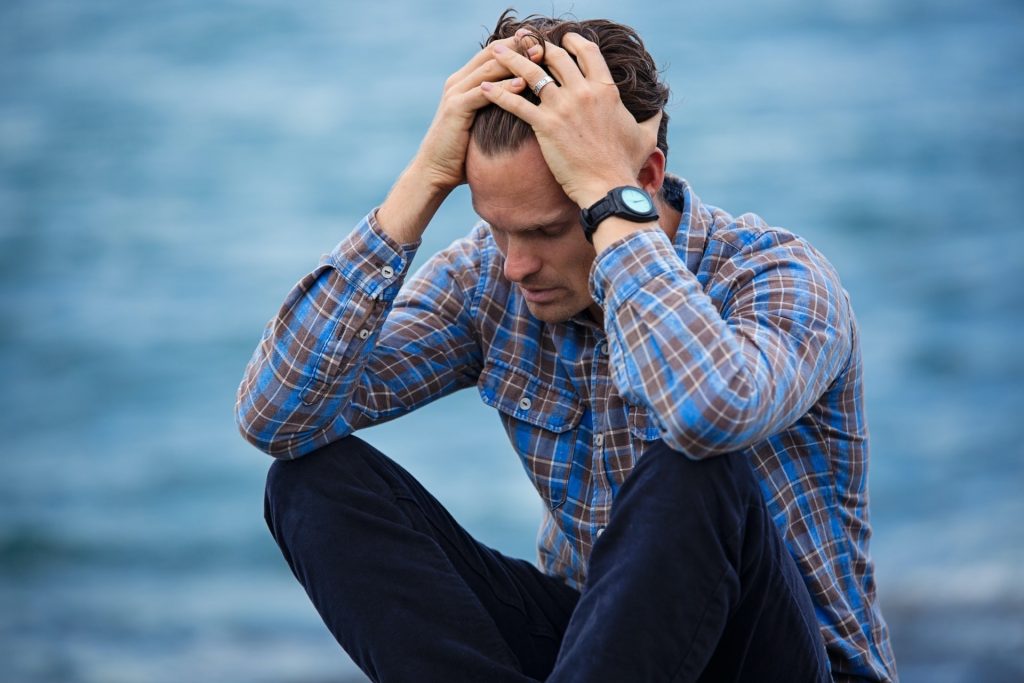
This section provides information on common signs of an acute stress response and some simple guidance on steps you and those around you can take to assist in your recovery.
When
Physical and emotional aftershocks sometimes appear immediately after we have experienced a traumatic event; other times they may begin hours or days later. In some cases, it can be weeks, and occasionally months, before strong stress reactions appear.
Signs and symptoms of a stress reaction may last a few days, weeks, months or longer – depending on the severity of the traumatic event. There are, however, some simple steps we can do to help ourselves and others whilst the stress reaction reduces.
How
Often one of the most helpful choices we can make is to accept the support of loved ones and those who care about us. Whilst people generally want to take time away from a lot of social interaction whilst they are experiencing physical and emotional aftershocks, selecting key people who we trust and value to stay connected to can be particularly helpful for recovery.
Occasionally the traumatic event is so painful that professional assistance may be necessary. This does not imply any weakness; it simply indicates that the particular event was too powerful for the person to manage alone. When this is the case recovery is helped most by reaching out for assistance.

Assistance can be from a medical doctor, mental health professional or even a free support service (an example of this type of service in the UK would be the Samaritans, who are available to talk to 24/7/365 by calling 116 123)
Common signs of a stress response occurring include:
Physical
- Chest pain
- Chills
- Difficulty breathing
- Dizziness
- Elevated BP
- Fainting
- Fatigue
- Grinding of teeth
- Headaches
- Muscle tremors
- Nausea
- Profuse sweating
- Rapid heart rate
- Shock symptoms
- Thirst
- Twitches
- Visual difficulties
- Vomiting
- Weakness
Cognitive
- Blaming someone
- Confusion
- Difficulty identifying objects or people
- Disorientation of time, place or person
- Hypervigilance
- Heightened or lowered alertness
- Increased or decreased awareness of surroundings
- Intrusive images
- Nightmares
- Poor abstract thinking
- Poor attention/decisions
- Poor concentration/memory
- Poor problem solving
- Suspiciousness
- Uncertainty
Emotional
- Anxiety
- Apprehension
- Denial
- Depression
- Emotional outbursts
- Emotional shock
- Fear
- Feeling overwhelmed
- Grief
- Guilt
- Inappropriate emotional response
- Intense anger
- Irritability
- Loss of emotional control
- Panic
Behavioural
- Antisocial acts
- Change in social activity
- Change in speech patterns
- Change in usual communications
- Erratic movements
- Hyper-alert to the environment
- Inability to rest
- Increased alcohol consumption
- Intensified pacing
- Withdrawal
Note: Any of the above symptoms may indicate the need for medical evaluation. When in doubt please contact a physician.
Basic self-help guidance
Within the first few days, it is important to keep things simple. Some do’s and don’t that help during this initial period are listed below:
- Periods of appropriate physical exercise (consider low to moderate intensity options only), alternated with relaxation time, will alleviate some of the physical stress reactions.
- Structure your time and maintain as normal a routine to your day and week as possible.
- Talk to people, reach out and spend time with others.
- Keep a journal – write your way through those sleepless hours.
- Eat well-balanced and regular meals (even if you don’t feel like it).
- Make as many daily decisions as possible that will give you a feeling of control over your life (e.g. if some asks what you want to eat, answer even if you are not sure).
- Get plenty of rest.
- Engage in things that feel good.
- Avoid numbing the physical and emotional pain with the overuse of drugs or alcohol. This can complicate matters and make the recovery longer.
- Avoid trying to fight recurring thoughts, dreams or flashbacks – they are normal and will decrease over time and become less painful.
- Hold off making any big life changes.
- Know that you are having normal reactions; avoid labelling yourself crazy.
- Give yourself permission to feel awful and share your feelings with others.
- Help your friends, family or co-workers by sharing how you are and checking out how they are doing.
- Remember that those around you are likely also under stress and so may not be quite their usual self either.

Guidance for family & friends
It can be incredibly difficult when someone we care about is struggling with acute stress. It is often difficult to know what to do for the best. Things you can do that can help include:
- Listen carefully
- Spend time with the traumatised person
- Offer your assistance and a listening ear even if they have not asked for help
- Reassure them they are safe
- Help them with everyday tasks like cleaning, cooking, caring for the family, minding children
- Give them some private time
- Do not take their anger or other feelings personally
- Do not tell them they are ‘lucky it wasn’t worse’; a traumatised person is not consoled by those statements. Instead tell them you are sorry such an event occurred and that you want to understand and assist them.