What
Breathing exercises are simply different ways of breathing in and out. They involve altering how we are breathing by changing:
- The length of time we breath in and out for
- The volume of air we breathe in and out
- The way we breath in and out, either through the nose or mouth and whether we breath into the chest or belly area
- Or by adding different actions/movement whilst breathing (for example, using humming or extending the tongue out in the yogic lion’s breath practice).
When
There is a huge volume of scientific data about the benefits of breathing exercises, showing how we breathe creates many physical changes in the body and brain. Deliberately practicing breathing techniques can have multiple health benefits, these include:
- lowering the stress response (fight/flight reaction), which in turn
- lowers the heart rate
- lowers blood pressure
- reduces muscle tension
- lowers anxiety
- reduces fatigue
- improves our concentration and memory and more.
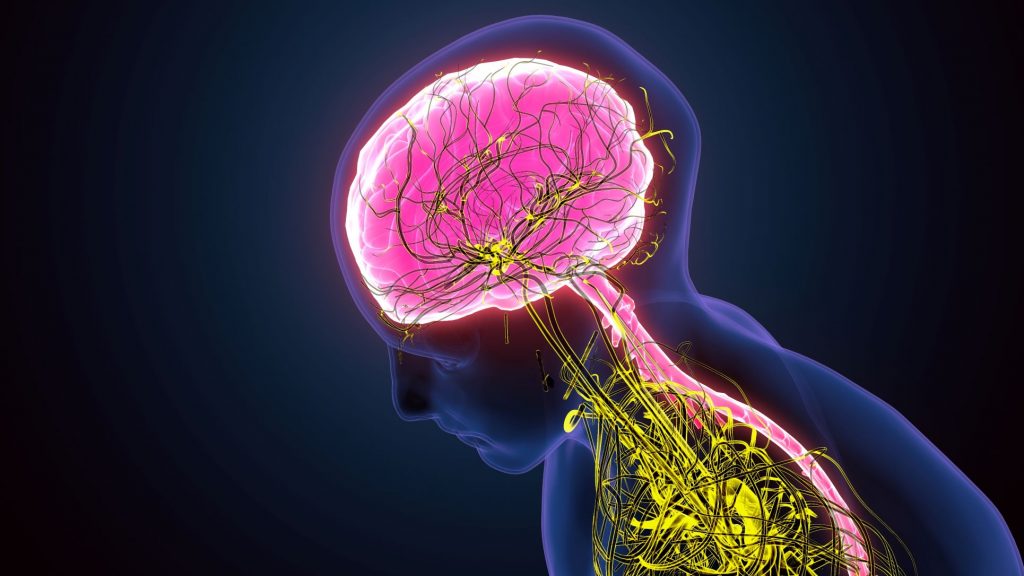
Some breathing exercises mainly induce relaxation. This is because the exercises affect the two branches of our nervous system in different ways – they reduce activation of the sympathetic nervous system (the fight/flight branch) and significantly increase activation in the part of the nervous system that induces rest and relaxation (the parasympathetic branch).
However, certain breathing exercises also help improve what is called heart rate variability or HRV; here we can feel relaxed whilst also feeling energised at the same time.
Heart rate variability (HRV) refers to the length of time between each heartbeat and how that varies over time. When the length of time between each heartbeat changes in a rhythmical pattern, it is called a coherent heart rate. Science has shown that emotions such as joy, love and compassion lead to a good HRV; whilst emotions such as anger, frustration and anxiety lead to more erratic patterns.
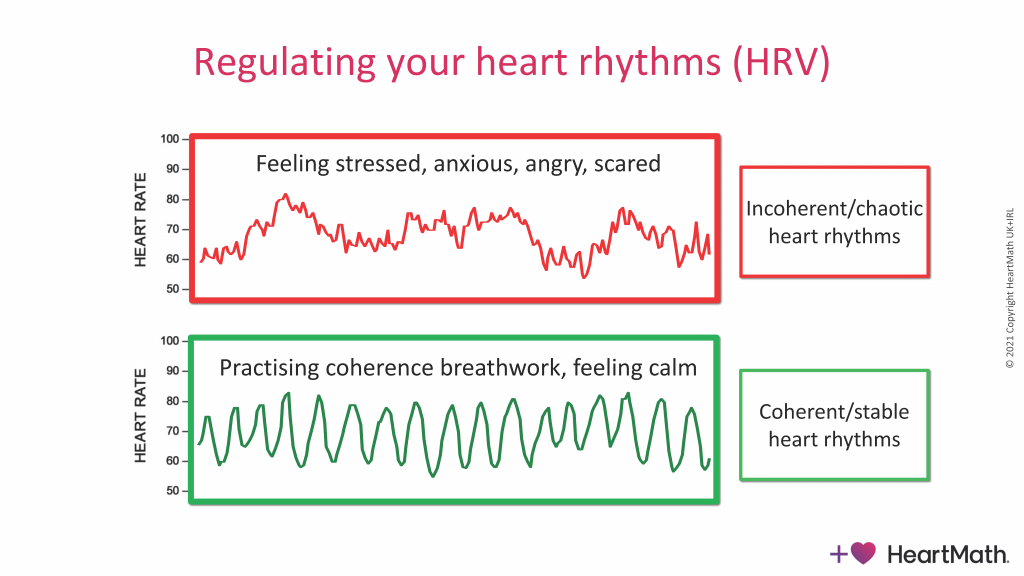
As there are many more nerves going from the heart to the brain than the other way around, the pattern of your heartbeat has a greater influence on your brain (the control centre for your nervous system) than your brain has on your heart. By doing breathing exercises your heartbeat become more coherent and influences your brain to synchronise and regulate the two branches of the nervous system. This means you feel calmer and experience lower levels of stress whilst feeling more energised and experiencing improvement in tasks such as decision making and physical coordination.
How
Which type of breathing exercise you choose will depend on what you want to achieve. Below you will find a selection of different breathing exercises we have found particularly helpful for a range of different circumstances.

Breathing exercises do not require a lot of time; it just requires you to put aside a few minutes to focus on how you are breathing. Make things easy for yourself and begin with just a few minutes a day and then increase it to suit what works best for you.
We have found people often find it easier to do a few sets of 2-3 minutes each day, rather than put aside 10-15minutes in one go. So, find what feels best for you and go from there!
Breathing practice exercises