What is PTSD?
PTSD is a mental health condition that occurs at least 4 weeks after a trigger event/situation; where the reduction in acute stress symptoms has not occurred; and where there are a number of intense reactions still being experienced which can be categorised into 4 key symptom clusters, namely:
- Hyperarousal: Increased emotional reactivity and physical arousal
- Avoidance and numbing behaviours
- Re-experiencing: Intrusive and distressing memories/dreams of what occurred
- Increased negative thinking and low mood (compared with before the event)
Clinically, PTSD requires a trigger event, where there is real or perceived threat to oneself or a loved one; or where you have witnessed such an event in person. In work-related roles, exposure to distressing information is also considered a triggering event.
Will PTSD last forever?
PTSD is treatable. It should be considered a temporary condition, and anyone who thinks they may have PTSD should reach out for professional assistance.
In the UK two types of treatment are available for PTSD under the NHS, these are:
- EMDR (Eye Movement Desensitisation and Reprocessing)
- TF-CBT (Trauma-focused Cognitive Behavioural Therapy)
However, there are a significant number of effective treatments beyond these two well known approaches. Research has shown there are two important factors that determine how effective therapy is when having trauma-focused treatment. These two factors are more important in determining if treatment will be successful than the type of treatment provided. The two factors are:
- Liking and being able to trust the therapist you are working with
- The type of treatment suiting your personality

Essentially you need to feel you can be open with the therapist you work with and be willing to engage in the therapy and open to the treatment.
If you have experienced PTSD treatment and not found it effective, then you may need to try a different therapist, a different treatment approach or you may also just need treatment for a longer period of time. Everyone recovers from PTSD differently. You cannot compare how long someone else took or what type of treatment they had – for that reason it is normal to take a little time to discover the right approach that would work for you.
Will I get PTSD?
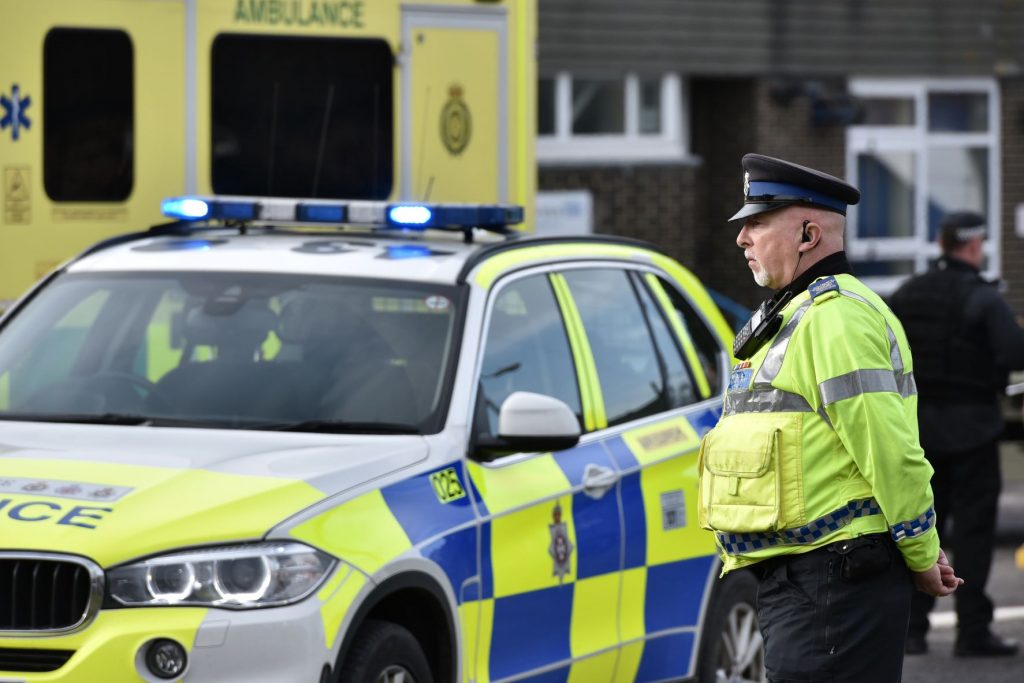
After a traumatic event on average 30% of people are likely to experience PTSD. Around 15% people experience late/delayed onset PTSD – this is more likely in people who work in professions where they experience a high level of traumatic situations as part of their job; for example, the military, emergency services, etc.
Read about what increases psychological resilience and understand what can make you more vulnerable to trauma in the resilience area of this hub.