What
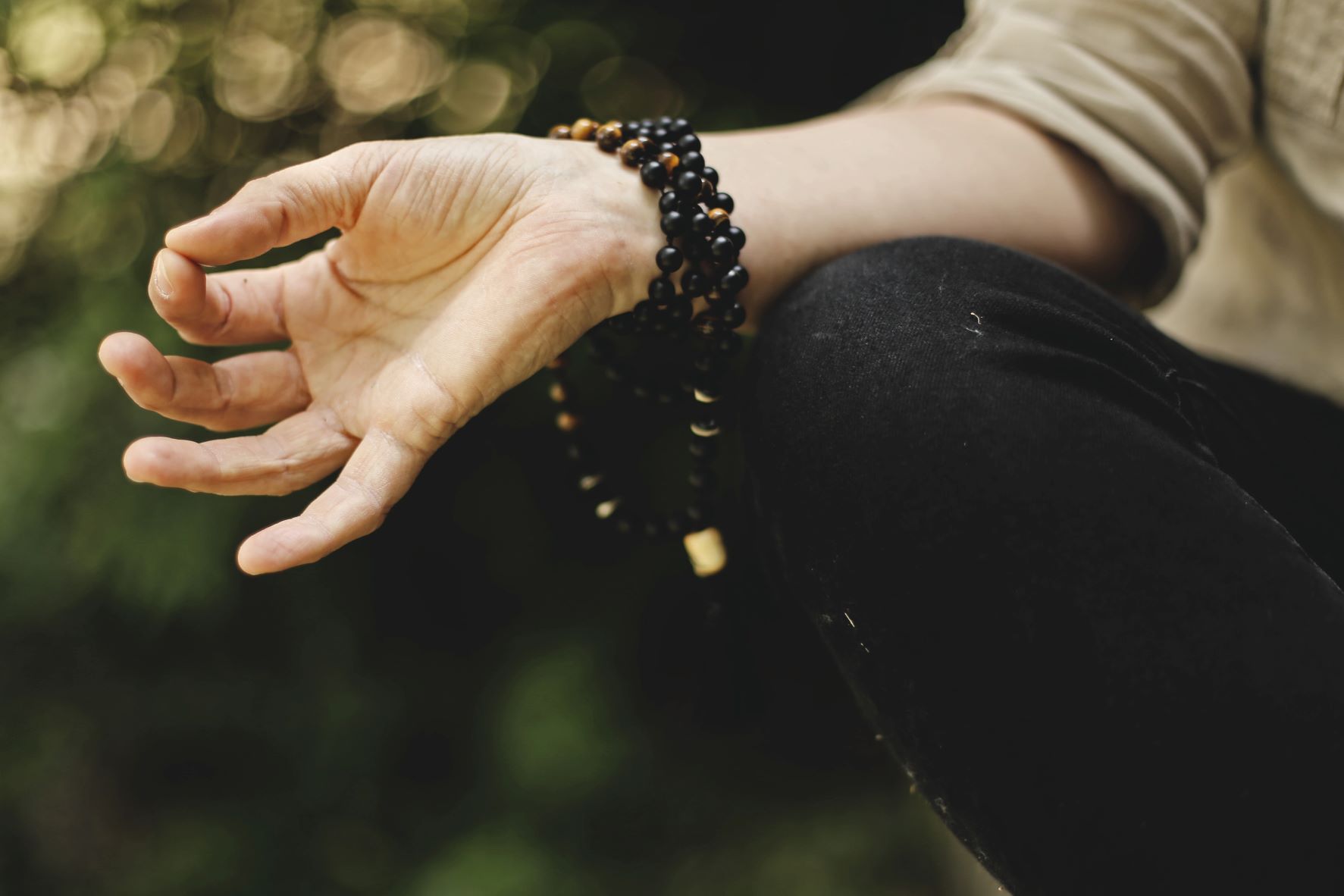
Meditation is a tool we can use to transform the lived experience of daily life, by learning to control our state of mind. Meditation helps change how we experience the sorrows, anxieties, fears, hatreds and general difficulties of life. Meditation techniques enable us to become aware of any rigid or unhelpful thought patterns and habits; allowing us to better understand how and why these are impacting us in the way they do. The understanding and insights gained through meditation enable patterns and habits to be transformed, leading to a more peaceful and energised state of mind and often a new appreciation and understanding of life..
When
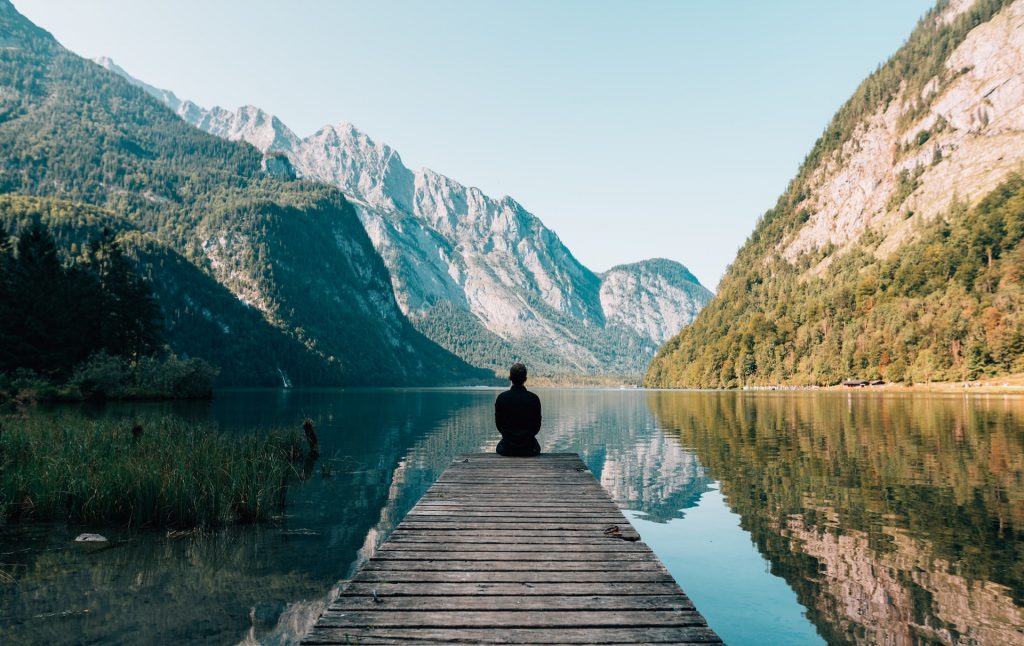
Science has shown there are many significant benefits to regular meditation; so, meditation may be a great choice for you if you particularly want to address one of these:
Body: Mediation has been shown to decreases pain and cellular inflammation
Emotions: Meditation has been shown to improve mood, increase the positive emotions we experience, lower stress, anxiety and depression.
Connectedness: Meditation reduces the sense of isolation we can all feel and increases the level of compassion we experience towards others.
Self-control: It improves our ability to regulate our emotions (so we are less reactive) and increases our ability for introspection and reflection.
Brain: It increases grey matter (the outer layer of the brain which has the most neuronal cell bodies), brain volume relating to emotional regulation, self-control and positive emotions, and cortical thickness in areas for paying attention.
Productivity: Meditation increases our ability to focus, concentrate, multitask, and it improves memory and increases our creative thinking ability.
How
When beginning meditating it is entirely normal to find it a little challenging, and even daunting, to sit with the thoughts and feelings you are experiencing and do nothing with them. This often causes us to experience resistance to meditating or trepidation about what it will be like. However, rest assured that meditating is a normal thing to do – there is evidence human beings have meditated as far back as 5000 years BC!
There are many different types of meditation for the mind, just like there are many different types of exercise for the body. This section contains guided meditation; this means a narrator guides you through the steps of the meditation practice.
Some tips to help you meditate:
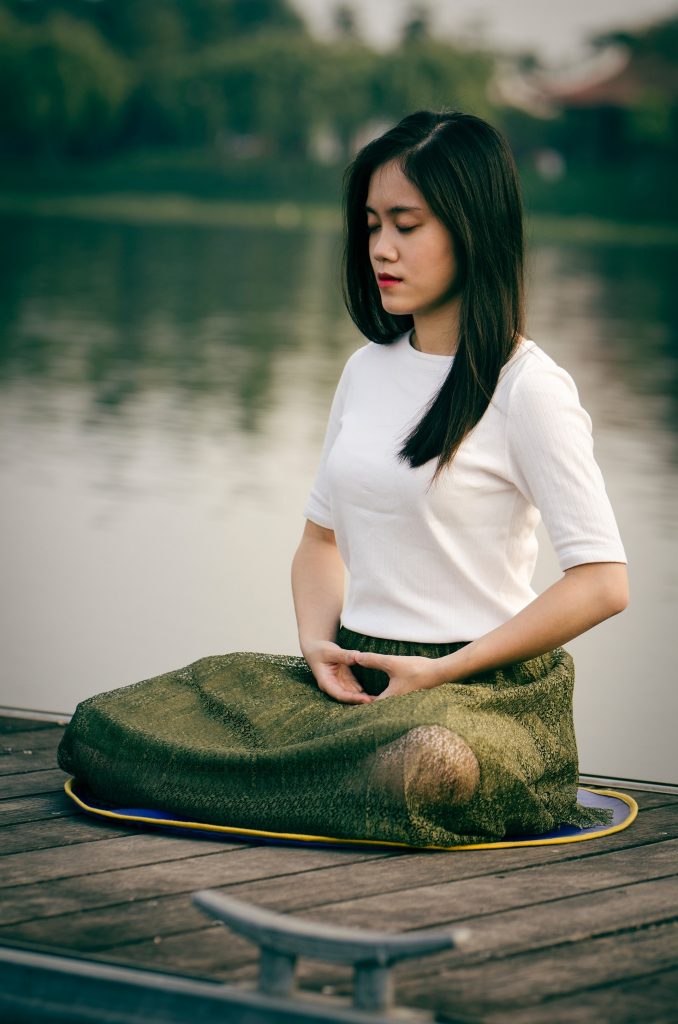
- Position: Find somewhere where you can sit or lie comfortably, where your spine is as straight as possible whilst still feeling good. Often sitting up straight whilst sitting on a cushion is a good position. However, it is important you feel comfortable, so if that is sitting a chair or lying down, then use what feels good – just make sure you are not so comfortable you will want to fall straight to sleep!
- Eyes: You can choose to have your eyes open, fully closed, or half-way closed. However, for those beginning meditation having the eyes closed is often much easier. If you decide to close your eyes, you might want to wear an eye mask if there is movement around you – to help reduce distractions.
- Breath: Allow yourself to breathe naturally, there is no need to make yourself breath in a particular way.
- Focus your attention: Allow your attention to follow your breath, observing yourself as you experience the in-breath and the out-breath. Noticing how your body moves with each breath, how your rib cage, belly and even shoulders respond when the lungs take air in and when they release air out. If your mind wanders at any time, just bring your attention back to the breath.
And now you are ready to listen to a guided meditation!
Meditation practice exercises
10 – 20 minutes
Perfect for when starting out meditating or when you only have a short amount of time.